The Goal Getter Club Reepham | Norfolk Business Networking
Read more

If you’re serious about starting a business, this guide will give you the clarity, confidence, and structure you need to launch successfully. You’ll learn how to avoid costly mistakes, turn your idea into a viable business, and build strong foundations for long-term growth. By following this proven startup roadmap, you’ll move from uncertainty to action with practical steps that help you make smarter decisions, attract loyal customers, and create a business that grows with you. More than just profit, it’s about building a business that supports your goals, fits your lifestyle, and gives you the freedom to work on your own terms.
If you’ve ever launched a startup and watched it slip through your fingers, you know how tough it can be. In the UK, nearly two-thirds of startups fail within five years, according to the Office for National Statistics (ONS, 2023). Maybe you’ve experienced that disappointment and wondered where it went wrong. Or maybe you’re just getting started, hopeful but quietly worried about becoming another statistic.

The truth is, launching a successful startup in the UK takes more than passion. It requires strategy, resilience, and the ability to adapt when things don’t go to plan. Success is never accidental. It’s the result of smart decision-making, a clear roadmap, and knowing how to navigate the challenges that come with starting a business.
This UK startup guide will walk you through the essential steps of building a successful business and avoiding the common pitfalls that lead many startups to fail.
At Kickstart Business Growth, we combine over 27 years of digital innovation with more than 13 years of hands-on experience building and growing businesses. This guide is designed to help UK entrepreneurs like you implement proven, evergreen strategies in today’s digital-first economy. You’ll discover valuable information about:
Validating your startup idea is a crucial first step in launching a successful business. Learn how to conduct market research, identify target customers, analyse competitors, and test demand before going to market. Ensure your product or service solves a real problem with real demand.
Understand how to legally start a business in the UK. This includes registering with Companies House, choosing the right legal business structure (e.g., sole trader, limited company), and staying compliant with UK business laws and regulations.
Explore startup funding options in the UK, including government startup loans, small business grants, angel investors, and crowdfunding platforms. Learn essential financial planning strategies to manage cash flow, budget effectively, and sustain your business long-term.
Master digital marketing and traditional marketing techniques tailored for UK startups. Learn how to identify your target audience, develop a strong brand message, create a marketing plan, and drive awareness through social media, content marketing, email, and local outreach.
In today’s digital-first world, your online presence is key to growth. Learn how to build a professional website, improve SEO rankings, leverage social media platforms, and use content to attract and convert potential customers online.
Entrepreneurship can be mentally and emotionally demanding. Discover tips and resources to protect your mental health, avoid burnout, and maintain balance. Sustainable business growth starts with looking after your wellbeing and building resilience.

We specialise in helping UK startups and entrepreneurs launch and grow successful businesses. Through our own journey, we’ve seen how powerful digital platforms can be in connecting with thousands of customers online, building communities, and scaling brands.
We provide practical, actionable advice to help you build a business that lasts, backed by real experience and deep industry insight.
Ready to Start Your Business Journey?
Don’t let fear or uncertainty hold you back. With the right tools, strategies, and support, you can turn your great idea into a thriving business, especially when leveraging highly effective online digital strategy.
As of February 2025, approximately 5.56 billion people, around 67.9% of the global population, are online (Statista, 2025). This surge reflects the rapid growth and integration of digital technologies worldwide. In such a connected landscape, optimising your startup’s digital footprint is no longer optional, it’s essential for long-term success.
With over 90% of consumers now researching businesses online before making decisions, simply having a website is not enough. Your online presence must be strategic, visible, and engaging if you are going to attract more leads and customers
The UK is especially digital-forward, with one of the highest internet penetration rates globally. As of 2024, approximately 98% of the UK population, roughly 65.7 to 66.3 million people, are active internet users (Statista, 2024). Reaching and resonating with this audience requires more than just being online; it demands a well-planned digital strategy.
A highly optimised digital strategy ensures:
Next Step: Let’s dive into the key steps to launching a successful startup, from business registration to marketing strategies. But before we get started, it’s crucial to understand what it really takes to succeed as a self-employed entrepreneur.
Starting your own business is a life-changing decision that requires a major positive shift in attitude and mindset. Unlike a traditional full-time or part-time job, where you receive a steady salary, have defined working hours, and enjoy employer-provided benefits, self-employment demands self-discipline, adaptability, and resilience.
The transition from a structured job to entrepreneurship often brings long hours, financial uncertainty, and added pressure, which can affect your partner, children, and overall household dynamic. Unlike traditional employment, where work and personal life are more clearly separated, running a startup requires ongoing attention and adaptability. Open communication with loved ones, setting clear expectations, and maintaining a balance between business ambitions and family well-being are essential for long-term success. While entrepreneurship offers great rewards, ensuring that both your professional and personal priorities align is key to sustaining both a thriving business and a fulfilling life.
“I’m convinced that about half of what separates the successful entrepreneurs from the non-successful ones is pure perseverance.” – Steve Jobs (Co-Founder of Apple)

How can you be best prepared when it comes to a new business startup?
The transition from employment to entrepreneurship requires a growth mindset; the belief that skills and intelligence can be developed through effort and continuous learning. Unlike a fixed mindset, which sees challenges as barriers, a growth mindset embraces obstacles as opportunities for improvement.
“We take better care of our smartphones than we do of ourselves. Yet if we took care of ourselves even a fraction of what we do our phones, we would be in great shape.” – Arianna Huffington (Co-founder of The Huffington Post)

Starting a business, particularly a startup, requires determination and hard work, but the pressure can take a real toll on mental health. With research revealing high levels of burnout, fear of failure, and poor work-life balance among entrepreneurs, especially in the early stages, looking after your wellbeing is vital for long-term success.
A University College London study highlighted that 69% of entrepreneurs experience a fear of failure, with 57% struggling with self-care and work-life balance. Burnout and stress are common among business owners, leading to impaired decision-making and stalled progress (UCL School of Management, 2024).
These challenges are further explored in Executive Loneliness by author Nick Jonsson, who examines the psychological struggles faced by business leaders, including isolation, stress, and the weight of high-pressure decision-making. He highlights the hidden toll of neglecting well-being and its long-term impact on success. To address this, Jonsson advocates for self-care, professional support, strong relationships, and a balanced lifestyle, reinforcing the importance of mental resilience for sustained entrepreneurial success (Jonsson, 2022).
“If you’re giving it 100% with your business startup, make sure that taking care of yourself is a key part of the total percentage.” – Rob Town (Kickstart Business Growth)
If you’re ready to launch a new business and confident there’s demand for your products or services, it’s crucial to understand that the people you bring into your business can make or break your business. Working with people who share your values builds trust, strengthens teamwork, and helps operations run smoothly. Whether you’re bringing in a subcontractor for a specialised task, a temp for short-term support, a full-time employee for long-term stability, or even choosing the right clients to work with – making the right choices ensures efficiency and effective use of resources. A strong team and network boosts accountability, sparks innovation, and creates a positive work culture. Just as important, every hiring decision affects your bottom line, bad hires drain time and money, while the right people drive growth, profitability, and long-term success. Being intentional about who you bring on board keeps your business adaptable, competitive, and ready for whatever comes next.
If you are prepared to embrace uncertainty (but ultimately convert into certainty), take calculated risks, and put in the hard work, then you are ready to embark on your startup business journey.
Starting a new business is not just about financial independence, it’s about personal growth, creative freedom, and the ability to build something meaningful on your own terms but only if you and the business strategies are sound.
The Challenge: Many first-time business owners don’t know where to start when it comes to defining a successful plan for their startup. A detailed, actionable roadmap is essential to break down the startup journey into clear, manageable steps.

Before you pour time, energy, and money into your business startup, pause for a moment and ask yourself if your service or product truly solves a real problem that will benefit consumers. It’s easy to get excited about an idea, but the best ones meet a genuine need. Without that, your startup could struggle to take off, leaving you frustrated and wondering where things went wrong. Imagine investing months, even years, building something, only to realise it’s not what people want. Skipping this step can mean launching something that fails to connect, making it hard to stand out, gain traction and, worst of all, potentially lead to failure and burnout.
The most successful businesses don’t rely on gut feelings. Think about the brands you admire. Do you think they got where they are by guessing? They use real insights, credible sources, data and analytics. By utilising market research, you give yourself the power to shape your idea with confidence, reduce risks and create something that truly connects with your audience. Your passion deserves a solid foundation. Give it the best chance to thrive.
Kickstart Business Growth helps startups reduce risk and maximise ROI (return on investment) opportunities by validating ideas with strategic planning, so you don’t waste time or money building something the market doesn’t need.
A viable business solves a clear issue. If the need isn’t obvious, your idea may require refinement.
Validate interest through data-driven insights.
A competitive market isn’t a barrier—unique positioning is key.
An MVP helps validate demand before full-scale launch.
Case Study: Dropbox
Before committing to full development, Dropbox tested market demand with a straightforward demonstration video that illustrated its innovative cloud storage concept. Rather than investing heavily in building the software upfront, the team at Dropbox showcased the frustration of file synchronisation and how their solution would resolve it. They included a waitlist sign-up, allowing them to gauge genuine interest. The response was phenomenal; thousands of users registered overnight, confirming a strong appetite for the product.
This strategic validation enabled Dropbox to attract investors and refine its offering before a large-scale launch. It underscores the importance of testing ideas with minimal financial risk; whether through explainer videos, pilot programs, or pre-orders before allocating significant resources (Maxiom Tech, 2024)

Starbucks has encountered setbacks in China due to economic uncertainty, weakened consumer spending, and aggressive competition from local chains like Luckin Coffee. In response, the company is forging strategic alliances and elevating its in-store experience to better resonate with Chinese consumers. By prioritising customer engagement and refining its market approach, Starbucks aims to regain its competitive edge in an evolving retail landscape. (Reuters, 2025)
In the U.S.A., the coffee giant has grappled with rising prices, extended wait times, and declining order volumes, largely due to operational inefficiencies. To address these concerns, incoming leadership is focusing on streamlining service, simplifying the menu, and optimizing workflow to enhance efficiency and customer satisfaction. These strategic adjustments underscore the importance of thorough market analysis in identifying business challenges and implementing solutions that foster long-term growth. (The Wall Street Journal, 2024)

A well-defined ICP is the foundation of effective marketing, pricing and product strategy. When you know exactly who your ideal customers are, everything becomes more focused. Your messaging resonates, sales funnels work more efficiently and conversions, whether enquiries, free downloads, email sign-ups or sales, increase naturally. It is the difference between speaking directly to the right people and hoping someone listens.
Without a clear ICP, marketing efforts can feel like throwing darts in the dark. Resources are wasted, engagement drops and potential customers simply move on. Misaligned pricing and confusing customer journeys mean valuable opportunities slip away. No business wants to watch potential success disappear due to lack of clarity.
Refining your ICP through customer feedback and behavioural analysis strengthens your brand’s connection with its audience. When you truly understand your customers, you can build trust, encourage loyalty and drive sustainable growth. A precise ICP does not just improve marketing, itt creates a business that feels tailor-made for the people it serves.
Demographics help define who your ideal customers are and shape your marketing approach. Key factors include:
Psychographics reveal deeper insights into customer behavior and preferences. Consider:
Knowing how customers shop helps refine marketing strategies. Key considerations:
Mapping customer touchpoints helps businesses engage effectively. Stages include:
Case study: Nike
Nike’s strategic focus on women’s sportswear has played a crucial role in expanding its market reach and strengthening its brand identity. By crafting products and campaigns tailored to female athletes, the company has successfully deepened customer engagement and reinforced its position in the competitive athletic apparel industry. Recognizing the growing demand for stylish yet high-performance activewear, Nike has continuously adapted its offerings to align with evolving consumer preferences.
A key initiative in this strategy is Nike’s collaboration with Kim Kardashian’s brand, Skims, to introduce NikeSkims, a sub-brand designed to merge performance with fashion-forward athletic wear. This partnership not only broadens Nike’s appeal among women but also signals its commitment to innovation and inclusivity in sports apparel. By tapping into the influence of high-profile figures and leveraging cultural trends, Nike continues to refine its Ideal Customer Profile and cater to the shifting dynamics of consumer behavior. (Vogue Business, 2025)
Quiz: How to Define Your Ideal Customer (ICP) – Test Your Audience Targeting Knowledge
Your business structure shapes everything from taxes and liability to daily operations. Choosing the right one is not just a legal formality. It is a decision that can impact your success for years to come. The wrong choice can create inefficiencies, cause legal complications and make securing funding more difficult. No entrepreneur wants to face unnecessary obstacles that could have been avoided with the right planning.
While it is possible to transition to a different structure later, making an informed decision early on ensures your business has a strong, scalable and compliant foundation. Seeking professional advice at the start can save you time, stress and costly mistakes in the future.
Each structure offers distinct advantages and drawbacks. Understanding your options now can help you build a business that is not only legally sound but also positioned for growth. Here is how to determine the best fit for your goals and ambitions.
Operating as a sole trader is the easiest way to start, with minimal paperwork and full control. However, personal assets are at risk if the business incurs debt.
A partnership allows two or more people to co-own a business, sharing profits and liabilities. However, without a clear agreement, disputes can arise.
A limited company provides liability protection by creating a separate legal entity. While it requires more administration, it enhances credibility and tax efficiency.
Case Studies:
When the 2008 financial crisis forced Michael Flynn to close his furniture business, he rebranded as Mattress Mick, using bold, unconventional marketing to rebuild. As a sole trader, he had full control, enabling quick adaptation and creative strategies. His viral campaigns revived his brand, proving that agility and strong branding can drive success. (Think Business, 2018)
Founded in 1984 by Doug and Dame Mary Perkins, Specsavers thrived using a joint venture model, where stores are co-owned by local opticians. This collaborative structure combined strategic oversight with local expertise, enabling rapid growth while maintaining high service standards. Their success showcases the power of well-structured partnerships in scaling businesses. (The Times, 2024)
Jennie Allen founded Bayley & Sage in 1997 as a limited company, ensuring financial security while expanding to 11 stores. Unlike many retailers, she grew without external funding, prioritising quality and exclusivity. This structure provided credibility and stability, supporting long-term success. (Financial Times, 2025)

Registering your business is more than just a legal requirement. It is a crucial step that strengthens credibility, ensures compliance and sets the stage for future growth. Proper registration helps you avoid tax complications, legal disputes and funding setbacks. No entrepreneur wants to face unnecessary hurdles simply because of overlooked formalities.
Taking care of these requirements early prevents disruptions down the line and reinforces your business as a serious and professional entity. When customers, investors and partners see that your business is properly registered, it builds trust and opens doors to new opportunities.
Ensuring compliance from the start is not just about ticking boxes. It is about laying the groundwork for stability, success and long-term potential.
Your business name represents your brand and must be legally available. Key checks include:
Limited companies must register with Companies House to protect their business name and establish a legal entity. Steps include:
Once registered, businesses receive a UTR from HMRC, required for:
Industry-specific licenses ensure compliance and prevent fines. Check your business type even if they don’t fall into the categories below: Common requirements include:

A business bank account does more than just separate personal and company finances. It creates clarity, simplifies tax filings and ensures that financial records remain organised and transparent. Managing cash flow becomes easier, while a dedicated account also reinforces professionalism and builds trust with clients, suppliers and investors. A strong financial foundation signals that your business is credible and well-structured.
Without a separate account, businesses risk accounting confusion, tax complications and missed deductions. Tracking expenses can quickly become overwhelming, leading to mistakes that cost time and money. Many clients prefer to work with businesses that use registered financial accounts, making this step essential for growth and reputation.
Exploring different banking options allows you to find the best fit while avoiding unnecessary fees. Setting up an account early streamlines financial management, removes potential stress and ensures smoother operations as your business expands.
A separate account provides key benefits:
Selecting the right account depends on business needs. Consider:
Business accounts require identity and business verification. Common documents include:

Effective financial management is the backbone of business stability and long-term success. Without a clear strategy, even the most promising ventures can struggle with cash flow problems, unexpected tax penalties and financial uncertainty. Poor planning not only creates stress but also puts the entire business at risk. It’s imperative to “know the numbers.”
Implementing structured financial processes early brings clarity, strengthens compliance and improves budgeting. With the right systems in place, decision-making becomes more strategic, reducing costly mistakes that could hinder progress.
Ignoring finances often leads to reactive decisions that limit growth and funding opportunities. Proactively tracking income, expenses and tax obligations is not just about staying organised. It is about ensuring your business remains financially secure and prepared for future challenges.
Even if managing finances independently, professional finance and tax guidance ensures compliance and reduces liabilities. An accountant provides:
Businesses with revenue over £90,000 (subject to change) must register for VAT. Key considerations:
Proper bookkeeping ensures accurate records and simplifies tax compliance. Best practices include:
Case Studies
Positive: Bayley & Sage
In 1997, Jennie Allen established Bayley & Sage, a premium grocery chain, with a disciplined approach to financial sustainability. Unlike many entrepreneurs who rely on external financing, Allen chose to expand her enterprise by reinvesting profits rather than accumulating debt through bank loans. Her extensive retail experience instilled an acute awareness of cash flow management, guiding her business through steady and controlled expansion. By adhering to sound financial principles—meticulous budgeting, reinvestment strategies, and operational efficiency—Bayley & Sage flourished, growing to 11 locations across south west London, with further expansion plans underway. This case exemplifies how financial discipline, coupled with a clear business vision, fosters sustainable success. (Financial Times, 2025)
Negative: Carillion plc
In stark contrast Carillion plc, a major UK construction and facilities management company, entered liquidation in 2018 with liabilities totaling approximately £7 billion. The collapse was primarily attributed to aggressive expansion, inadequate financial planning, and ineffective cash flow management, underscoring the risks of overextending without solid financial foundations. The Financial Reporting Council (FRC) said its long-running investigation found that KPMG (one of the of the “Big Four” accounting firms, alongside Deloitte, PricewaterhouseCoopers, and Ernst & Young) had failed to adhere to “the most basic and fundamental audit concepts”, as it uncovered an “unusually large number of breaches”. (The Guardian, 2023)
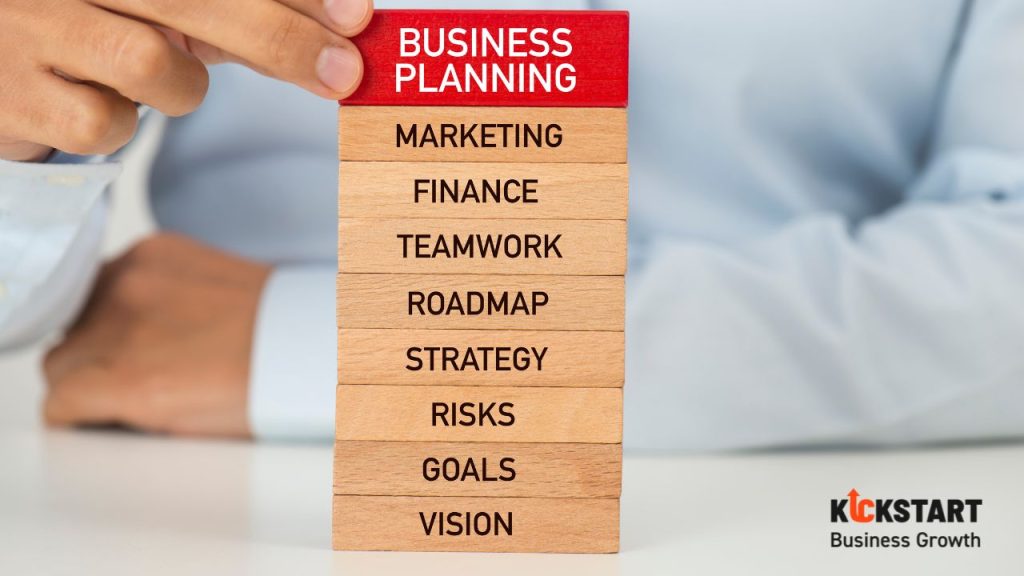
A well-structured business plan is more than just a document. It is your roadmap, giving your business direction, sharpening decision-making and increasing your chances of securing funding. With a solid plan in place, you stay focused, attract investors with confidence and build a foundation for long-term stability. Success is never just about ideas. It is about having a strategy that turns those ideas into reality.
Without a clear plan, challenges can quickly pile up. Funding becomes harder to secure, operations become inefficient and objectives lose clarity. Skipping market research risks launching products or services that do not truly resonate with customers, while missing financial projections can lead to cash flow problems that put your business under pressure. No entrepreneur wants to watch their vision unravel due to poor preparation.
Even established businesses benefit from revisiting their strategy. Reassessing market positioning, financials and operations keeps a business adaptable, competitive and ready for future growth. A business plan is not just for the beginning—it is a tool that evolves with you, ensuring you stay on track and ahead of the game.
This section provides an overview of your business and why it will succeed. Key elements include:
Understanding potential risks allows businesses to develop strategies to mitigate them. Key areas of risk include:
Mitigation Strategies:
A strong market analysis ensures your business aligns with customer needs and industry trends.
A detailed operations plan ensures business efficiency and scalability. Key areas include:
Financial forecasts show business viability and help attract investors. Key components:
“I quickly learned that potential investors preferred concise and focused pitches. As I gained experience, I realised the importance of a punchy strategy and focused objectives over lengthy documentation.” – Pip Murray (founder/CEO of Pip & Nut)
“A manifesto goes beyond a traditional business plan by aligning thoughts and actions to one’s goals and values.” – Stephen Bartlett (The Diary Of A CEO podcast)

Securing the right funding is not just about covering costs. It is about giving your business the financial foundation it needs to grow, adapt and thrive. Whether you are launching a startup or expanding an existing venture, the right funding strategy can sustain operations and support long-term success. With so many options available, from loans and grants to crowdfunding and venture capital, making an informed choice is key to financial stability.
Without proper planning, the risks increase. Underfunding can stall progress, excessive debt can become overwhelming and poor financial decisions can limit growth. Relying solely on bank loans without a solid plan may lead to rejection, while overlooking grants means missing out on valuable, non-repayable funds. Crowdfunding offers both capital and visibility, but only with a strong campaign that connects with backers. Venture capital provides investment and mentorship, but it also means giving up a share of your business.
Exploring multiple funding options, preparing strong applications and managing cash flow effectively improves your chances of securing the financial support you need. A well-planned funding strategy is not just about raising money. It is about creating opportunities, driving momentum and setting your business up for long-term success.
Loans offer structured funding but often require strong credit and business viability.
Recommended:
https://www.startuploans.co.uk/
https://www.letsdobusinessgroup.co.uk/finance
Grants provide funding without repayment but often have strict eligibility criteria.
Crowdfunding allows businesses to raise funds from supporters, often in exchange for early access or rewards.
Venture capital (VC) provides funding, mentorship, and networking in exchange for equity.
Case Study: EFG
The Enterprise Finance Guarantee (EFG) was a UK government initiative aimed at improving access to finance for small and medium-sized enterprises (SMEs) that lacked sufficient collateral or credit history. By providing a 75% government-backed loan guarantee, the program encouraged banks to lend to businesses that might otherwise struggle to secure funding. Loans ranged from £1,000 to £1 million, with repayment periods extending up to ten years, and were available to SMEs with annual revenues of up to £41 million. The EFG played a pivotal role in fostering business growth, safeguarding jobs, and strengthening the economy by mitigating lender risk and broadening financial accessibility. (British Business Bank, 2020)

Business insurance is not just a safety net. It is a vital shield that protects your business from unexpected legal and financial risks. One claim, one lawsuit or one unforeseen event could lead to costly legal fees, reputational damage and financial strain. No business owner wants to see their hard work unravel because of something they could have prepared for. Whether you work with customers, offer services or hire employees, securing the right insurance ensures compliance and long-term stability.
Many startups overlook insurance, assuming it is unnecessary. Then the unexpected happens. A single claim, fine or dispute can create setbacks that are difficult to recover from. Businesses that interact with customers, suppliers or employees may be held liable for accidents, negligence or damages, even if they were unavoidable. The right insurance policy does not just protect your finances. It safeguards your reputation, your operations and your ability to keep moving forward.
Investing in insurance early prevents financial disruptions and gives you the confidence to focus on growth. Peace of mind is not just an added benefit. It is an essential part of building a business that is resilient, professional and prepared for the future.
Essential for businesses with physical locations or customer interactions, this insurance covers:
This insurance safeguards businesses against claims related to errors, negligence, or poor advice. It is crucial for:
Mandatory for businesses hiring employees, covering workplace injuries, illnesses, and related claims.
Case Studies:
Positive – ExCel London
During the COVID-19 pandemic, ExCel London faced major financial losses due to government restrictions. Fortunately, its business interruption insurance covered notifiable diseases. When insurers disputed the claim, ExCel took legal action, and in September 2024, the UK Court of Appeal ruled in its favor. This victory secured compensation and set a legal precedent for other businesses, emphasising the need for clear policy terms. (Reuters, 2024)
Negative – Cato Corporation
USA retailer Cato Corporation sought compensation under its “all-risk” insurance for pandemic-related losses, but Zurich American Insurance denied the claim due to a virus exclusion clause. The North Carolina Supreme Court upheld this, ruling the policy did not cover viral-related disruptions. This case underscores the importance of reviewing policy exclusions to avoid unexpected financial setbacks. (AP News, 2024)

”Getting a quality website is not an expense but rather an investment.” – Dr. Christopher Dayagdag (CEO Marketlink Web Solutions)
“Getting people to hear your story on social media, and then act on it, requires using a platform’s native language, paying attention to context, understanding the nuances and subtle differences that make each platform unique, and adapting your content to match.” – Gary Vaynerchuk (Serial Entrepreneur)
“On the web, you are what you publish.” - David Meerman Scott (Marketing Strategist)
“Being honest and open is the best path to building consumer trust and creating a more loyal customer base.” – Professor Glen L. Urban (MIT Sloan School of Management)

A strong marketing strategy is essential for reaching the right audience, increasing brand awareness and driving business growth. For startups working with limited budgets, smart marketing can make all the difference. Cost-effective tactics such as SEO, content marketing and social media help attract new customers while strengthening relationships with existing ones. The right approach ensures your message reaches the people who need your product or service the most.
Without a clear strategy, businesses risk low visibility, poor engagement and inefficient spending. Marketing without direction can feel like throwing money at random tactics, hoping something works. Ignoring budget-friendly digital marketing options can drive up customer acquisition costs, making it harder to grow. Neglecting retention strategies means constantly chasing new customers instead of building long-term loyalty.
A structured and cost-effective marketing plan ensures visibility, engagement and sustainable success. Even with a limited budget, using digital marketing, SEO and customer retention strategies can create steady momentum, helping your business expand and thrive.
Search Engine Optimisation (SEO) boosts organic reach without high advertising costs. Key tactics include:
Content marketing builds trust and authority, positioning businesses as industry leaders. Effective strategies include:
Email marketing strengthens customer relationships and increases retention. Best practices include:
Social media provides low-cost marketing opportunities to connect with audiences. Key strategies include:
Referrals and customer advocacy boost organic growth. Effective approaches include:
6. Optimise Your Google Business Profile for Visibility & Trust
A well-maintained Google Business Profile (GBP) enhances credibility, improves search rankings, and attracts local customers. Key strategies include:
Case Studies:
Positive – Percival
British menswear brand Percival has successfully leveraged innovative digital marketing to build a strong online presence. Instead of relying on traditional discounts, they used creative promotions, including a staged discount code mishap, boosting sales. Their loyalty program, The Closed Circle, offers exclusive access via private WhatsApp and Instagram chats, fostering deep customer engagement. Additionally, they raised £1 million through crowdfunding, prioritizing community investment over venture capital. Collaborations with celebrities further enhanced their global reach, solidifying Percival’s position as a resilient and adaptive brand in the fashion industry. (Financial Times, 2024)
Negative – Jason Rainsforth
In 2023, Melbourne-based electrician Jason Rainsforth invested nearly $20,000 in a 24-month SEO and website contract with Supple Digital, aiming to enhance his online presence and generate leads. Unfortunately, the results were disappointing: his website received minimal traffic, averaging only four views per month, and failed to produce any sales inquiries. Despite the significant investment, his Google search rankings declined. When he sought improvements, the agency recommended additional services costing $500 per month. Attempting to terminate the contract early, Rainsforth faced a demand to pay 50% of the remaining fees. This case underscores the importance of thoroughly vetting digital marketing providers and setting clear, measurable objectives to avoid costly missteps. (News.Com.Au, 2025)

Efficient digital operations are the backbone of a scalable and profitable business. The right tools, software and systems do more than just simplify tasks. They create structure, reduce errors and free up time, allowing you to focus on growth rather than being held back by operational challenges. When digital systems are aligned with business goals, they become a powerful driver of success, ensuring every process supports efficiency, accuracy and progress.
Neglecting operational efficiency creates unnecessary obstacles. Slow workflows, miscommunication and financial losses add up over time, making it harder to compete and grow. Without structured systems, businesses face delays, frustrated customers and missed deadlines, all of which can damage reputation and profitability. Relying on manual processes not only increases costs but also makes scaling difficult, limiting long-term potential.
Investing in automation, streamlined processes and performance tracking does more than just improve efficiency. It strengthens the foundation of your business, helping to reduce costs, enhance productivity and support sustainable growth. Even if operations have not been a priority in the past, implementing the right strategies can transform performance, increase agility and create a business that runs smoothly and successfully.
Choosing the right software simplifies daily operations. Essential tools include:
Automation reduces repetitive tasks, allowing businesses to focus on high-value activities. Key areas to automate:
Effective inventory control prevents stock shortages, overstocking, and delays. Best practices include:
Clear communication enhances team productivity. Businesses should:
Monitoring key business metrics helps identify inefficiencies and drive improvements. Focus on:
Case Study – Selfridges
Selfridges, a prestigious UK department store, underwent a significant digital transformation to modernise operations and enhance customer engagement. By developing a seamless e-commerce platform and mobile applications, the retailer improved accessibility and expanded its online presence.
The introduction of automated systems streamlined business processes, reducing manual workloads and inefficiencies. Advanced inventory management solutions enhanced stock control and supply chain logistics, ensuring product availability while minimising surplus stock. Digital communication tools strengthened collaboration across departments, improving workflow and productivity. Additionally, data analytics played a key role in performance monitoring, enabling the company to make informed strategic decisions.
This technological evolution has allowed Selfridges to stay competitive in an increasingly digital retail landscape while upholding its reputation for innovation and exceptional service. (Research Gate, 2024)

A well-structured sales and customer service plan is more than just a business strategy. It is the key to attracting customers, increasing revenue and building lasting relationships. Clear pricing, effective sales channels and strong customer support create a seamless experience that not only expands market reach but also encourages customer loyalty. When customers feel valued and supported, they are far more likely to return and recommend your business to others.
Without a structured plan, businesses risk inconsistent revenue, low retention and lost sales opportunities. Unclear pricing can drive potential customers away, while weak customer service leads to frustration, negative reviews and stalled growth. A lack of strategy makes it harder to convert prospects into loyal buyers, limiting long-term success. Every missed opportunity is a potential competitor’s gain.
A well-defined sales and support strategy goes beyond just selling a product or service. It enhances customer satisfaction, boosts sales and strengthens brand loyalty, ensuring that every interaction adds value and builds trust. Investing in a strong sales and service framework not only drives revenue but also creates a business that customers are happy to engage with time and time again.
A strategic pricing model ensures sustainability and competitiveness. Options include:
Selecting the right sales channels improves accessibility and customer acquisition. Common options include:
Reliable customer service enhances brand reputation and loyalty. Key components include:
A structured sales pipeline streamlines conversions and improves efficiency. Steps include:
Customer engagement strategies encourage repeat purchases and long-term loyalty. Best practices include:
Case Study: Tesco
Tesco’s Clubcard loyalty programme, launched in 1995, reshaped UK retail by leveraging customer data to refine pricing, promotions, and product availability. This strategy helped Tesco surpass competitors and establish itself as the UK’s leading supermarket, with over 20 million active users benefiting from personalised rewards and exclusive offers.
Beyond loyalty perks, the Clubcard transformed sales, customer engagement, and service. Tesco used transaction insights to optimise stock levels, enhance customer support, and create tailored marketing campaigns. By integrating data analytics into operations, Tesco built a customer-focused model that strengthened retention and long-term profitability. (The Grocer, 2025)

A successful launch is more than just opening your doors. It is about creating momentum, attracting customers and building credibility from day one. Simply starting a business does not guarantee traction. Without the right promotion, customer engagement and a structured growth plan, even the best ideas can struggle to take off. A well-executed launch sets the tone for long-term success, ensuring your business makes a strong and lasting impression.
Without a clear strategy, businesses risk low visibility, slow adoption and missed opportunities. Weak promotional efforts mean fewer people discover your brand, while ignoring customer insights can lead to dissatisfaction and lost trust. Scaling too quickly without properly assessing demand can strain resources, disrupt operations and make sustainable growth difficult. A launch without direction is a missed opportunity to build excitement and establish a solid market presence.
A strong launch is not just about making an impact on day one. It requires adaptability, customer feedback and a sustainable growth plan to keep momentum going. Even if the initial effort does not go as planned, strategic adjustments can rebuild interest, improve positioning and strengthen your business in the long run. Success is not about a perfect start, but about continuously learning, refining and growing.
A well-planned launch maximises visibility and engagement. Key tactics include:
Customer insights help refine products and enhance satisfaction. Effective feedback strategies include:
Scaling should be gradual and well-planned to maintain quality. Growth strategies include:
Download Our Business Launch & Growth Guide (SEO anchor to email opt-in at page footer)
Case Study: GymShark
Founded in 2012 by Ben Francis, Gymshark evolved from a small, garage-based operation into a globally recognised fitness brand through innovative digital marketing and e-commerce strategies. Instead of relying on traditional advertising, the company harnessed the power of social media and influencer partnerships to drive brand awareness and customer engagement. By collaborating with fitness influencers and curating engaging visual content, Gymshark effectively reached its target audience, building an authentic and loyal community.
A data-driven approach and direct customer feedback were instrumental in refining product designs and improving customer experience. As demand surged, Gymshark prioritised SEO, ensuring its website ranked highly for fitness-related searches, driving organic traffic and increasing conversions. A robust e-commerce infrastructure facilitated seamless global transactions, while strategic market expansion allowed the company to tailor offerings to regional preferences. Gymshark’s commitment to digital innovation, SEO-driven visibility, and customer engagement enabled it to scale sustainably and establish itself as a leader in the fitness apparel industry. (NY Post, 2025)

Strong relationships open doors to new opportunities, industry insights, and strategic partnerships. Expanding your network through events, business groups, and online communities connects you with potential clients, mentors, and collaborators. Joint ventures, cross-promotions, and a credible online presence can accelerate growth and enhance trust. Maintaining professionalism in all interactions is essential—it reinforces your reputation, builds credibility, and ensures that others feel confident engaging with you and your brand.
Neglecting networking through collaboration will limit your visibility, slow expansion, and reduce access to expert insights and business opportunities. Many startups focus solely on product development, missing the competitive advantage of strong industry connections. Without an active network, businesses may struggle with securing referrals, funding, or collaborations, making growth more difficult.
A weak online digital presence will also hinder your credibility and potential network growth. Without essential mentorship and partnerships, business startups risk missing expert guidance that could prevent costly mistakes. Networking is key to long-term success, and it’s never too late to build strong connections.
A strong network provides access to valuable business opportunities. Effective ways to grow your connections include:
Collaborations enhance market reach, reduce costs, and improve positioning. Partnership strategies include:
A strong online presence boosts professional credibility and attracts new opportunities. Key strategies include:
Strategic partnerships and mentorship accelerate growth by providing guidance and expanded networks. Growth-driven strategies include:
Case Study: Camden Collective
Camden Collective, a London-based regeneration initiative, showcases how networking, collaboration, and digital marketing drive business growth. Established in 2009 by Camden Town Unlimited, it repurposed vacant spaces into affordable co-working hubs and pop-up venues for startups and creatives. Through accelerator programmes, partnerships with industry leaders, and targeted digital marketing, the initiative attracted entrepreneurs, investors, and innovators, strengthening Camden’s reputation as a creative business hub.
By leveraging strategic alliances and digital engagement, Camden Collective enabled startups like SB.TV and Stemettes to access mentorship, co-working spaces, and collaborative marketing efforts. The initiative highlights the impact of a strong digital presence, industry partnerships, and networking strategies in unlocking growth, fostering innovation, and revitalising urban business communities. (Greater London Authority, N.D.)

Building trust and credibility is essential for attracting customers, securing partnerships, and ensuring long-term success. Reviews, testimonials, certifications, and a strong online presence provide social proof and reinforce reliability. Encouraging customers to leave Google and LinkedIn reviews, obtaining industry accreditations, and maintaining an active digital presence help establish authority and influence purchasing decisions.
Neglecting trust-building weakens credibility, limits growth, and deters potential customers. Without visible proof of reliability, businesses risk losing opportunities to competitors. Failing to showcase testimonials or industry certifications can impact contract approvals, while a weak online presence raises doubts about legitimacy.
Investing in customer reviews, certifications, and digital branding enhances reputation and fosters customer confidence. If trust has been overlooked, prioritizing these steps can improve credibility and business growth.
Customer reviews build trust and influence purchase decisions. Businesses should:
Testimonials and case studies demonstrate expertise and measurable results. Effective strategies include:
Certifications establish professionalism and reassure customers. Businesses should:
A professional digital presence strengthens credibility. Best practices include:
Trust signals reassure potential customers and partners about business credibility. Key strategies include:
Case Study: British Airways
British Airways (BA) has encountered significant hurdles over the past decade, with cost-cutting measures and operational setbacks leading to diminished customer confidence. In a bid to restore its reputation, the airline launched a £7 billion investment initiative focused on enhancing passenger comfort, service excellence, and operational dependability. Key improvements included the development of a customer-focused mobile app, expansion of ground staff for better service efficiency, and targeted efforts to improve punctuality, despite industry-wide challenges. These strategic investments have already shown promising outcomes, with International Airlines Group (IAG), BA’s parent company, witnessing its share price double within ten months.
This transformation underscores how prioritising customer experience and operational resilience can rebuild trust, strengthen brand reputation, and drive long-term business recovery. (The Guardian, 2025)

Regular evaluations of business procedures are essential for maintaining efficiency, adapting to industry changes, and sustaining growth. Periodic reviews help identify inefficiencies, streamline operations, and improve productivity. Updating procedures ensures compliance with regulations, meets evolving customer expectations, and fosters innovation.
Neglecting regular reviews can lead to bottlenecks, outdated practices, and missed opportunities. Inefficiencies increase costs and reduce competitiveness, while outdated compliance policies introduce legal risks. Failing to adapt to feedback or market trends may result in customer dissatisfaction and falling behind competitors.
Frequent process evaluations help businesses stay agile, efficient, and compliant, reducing risks and optimising resources. If reviews have been overlooked, implementing a structured review system can significantly improve performance and stability.
Regular business audits help pinpoint operational inefficiencies and areas for improvement. Key steps include:
Staying up to date with regulations reduces legal risks and enhances credibility. Businesses should:
Consumer trends and industry standards evolve, requiring businesses to stay relevant. Businesses should monitor:
A culture of innovation helps businesses remain competitive and future-proof. Key strategies include:
Case Study: Amazon
Under CEO Andy Jassy’s leadership, Amazon has taken proactive steps to streamline its operations and eliminate redundant bureaucratic hurdles. A standout initiative is the introduction of a “bureaucracy mailbox,” an internal system that empowers employees to flag inefficiencies and suggest process improvements. This initiative reflects Amazon’s dedication to operational excellence, promoting a culture of continuous refinement and adaptability to enhance productivity and maintain its competitive edge. (Business Insider, 2024)

“The only way to do great work is to love what you do.” – Steve Jobs (Apple)
Building a formidable and enduring startup business is not a pursuit for the faint-hearted, it demands meticulous planning, calculated risk-taking, and a relentless drive for excellence. Many entrepreneurs falter not due to lack of ambition, but because they neglect the foundational pillars of a high-performing business, from comprehensive market validation and fiscally astute financial planning to brand positioning that commands attention. Success is engineered, not stumbled upon. Each decision, whether selecting the optimal business structure, securing strategic investment, or crafting a compelling value proposition must align with a well-calibrated roadmap that ensures both immediate traction and long-term scalability.
However, the launch phase is merely the prelude to sustained growth. Organisational agility, operational precision, and an astute understanding of market dynamics distinguish businesses that survive from those that dominate. Entrepreneurs must cultivate a culture of continuous refinement, scrutinising workflows, streamlining inefficiencies, and anticipating shifts in consumer behaviour. Periodic business audits, data-driven decision-making, and robust performance metrics are the instruments of a business poised for expansion rather than stagnation. Equally, leveraging strategic partnerships and forging industry alliances provides an invaluable conduit to new markets, investment opportunities, and intellectual capital that accelerates competitive advantage.
Beyond operational dexterity, trust and reputational capital/cashflow are the cornerstones of long-term viability that must result in tangible profit opportunities. Businesses that command market confidence do so through unwavering transparency, a portfolio of industry endorsements, and an unimpeachable digital presence. In an era where perceived credibility determines conversion rates and investment interest, establishing authoritative thought leadership, an engaged professional network, and a reputation for delivering measurable value is non-negotiable. Success belongs to those who embrace financial acumen, institutional-grade strategy, and an adaptive growth mindset. Entrepreneurs who architect their business with rigour, precision, and a readiness to evolve will not merely compete; they will dominate, disrupt, and define their own and their chosen industry’s future.
Download the Business Startup Checklist – Launch Your New Business with ConfidenceBook A Free Consultation With Kickstart Business Growth

About the author:
Rob Town is a seasoned entrepreneur, business mentor, and marketing professional with over 15 years of experience in Customer and Service Delivery Management, where he managed major corporate clients including Barclays Bank, Deutsche Bank, and McDonalds.
In 2004, he took a bold leap, leaving the security of traditional employment to pursue a career as a touring musician, performing to hundreds of thousands of music fans worldwide supporting Grammy Award winning artists Metallica, Alice Cooper and many more.
Drawing from firsthand experience in launching and scaling businesses, Rob has spent the past 14 years building multiple ventures within the music industry, helping music artists and creatives monetise their art in an ultra-competitive landscape. His journey as a musician organically led him into marketing, high level music education, coaching, and mentoring; all areas he is deeply passionate about.
As the founder of Kickstart Business Growth, Rob empowers entrepreneurs and creatives to turn their business aspirations into reality. His expertise spans project management, marketing, and digital innovation, leveraging over 25 years of experience working with cutting-edge and evergreen digital platforms.
Holding a Master’s Degree in Industry Innovation and Enterprise, Rob is committed to continuous learning and staying ahead of industry trends. His mission is to equip startups with the tools, knowledge, and strategies needed to thrive in today’s dynamic business landscape.
What’s the first step to launching a UK startup?Validate your business idea through market research, competitor analysis, and minimum viable product (MVP) testing to ensure there is genuine market demand.
Do I need to register my business before launching?Yes. Register with Companies House, choose the correct legal structure (sole trader, partnership, or limited company), and obtain your Unique Taxpayer Reference (UTR) from HM Revenue & Customs (HMRC).
How can I fund my startup?Explore startup loans, government grants, crowdfunding platforms, or venture capital. Your funding strategy should align with your business model, goals, and risk appetite.
What are the essential marketing strategies for UK startups?Invest in search engine optimisation (SEO), content marketing, email campaigns, and social media. A fully optimised Google Business Profile is crucial for local visibility and trust.
Why are Google Reviews and Trustpilot important?These platforms provide social proof and heavily influence purchasing decisions. Positive reviews improve credibility, increase search visibility, and help build trust with potential customers.
How important is a website and digital presence?It is essential. Over 90 per cent of consumers research online before making decisions. A well-designed, professional website and consistent digital presence support credibility, lead generation, and growth.
What mindset traits help entrepreneurs succeed?Grit, resilience, adaptability, a growth mindset, and effective time management are all vital to navigating uncertainty and building long-term success.
Do I really need business insurance?Yes. Business insurance protects you from unexpected legal and financial risks. Key types include public liability insurance, professional indemnity insurance, and employer’s liability insurance (if hiring staff).
How can I define my target audience?Develop an Ideal Customer Profile (ICP) by identifying demographics (such as age, income, and location), psychographics (values, interests, challenges), and purchasing behaviours. This enables more focused and effective marketing.
What’s the benefit of a business plan?A business plan is a strategic roadmap. It keeps you focused, improves decision-making, attracts investors, and helps avoid common startup pitfalls.
Any tips for staying productive and avoiding burnout?Set boundaries, manage digital distractions, prioritise wellbeing, and create routines that support your physical and mental health over the long term.
What tools help streamline operations?Use accounting software such as Xero or QuickBooks, project management tools like Asana or Trello, and customer relationship management (CRM) systems like HubSpot or Salesforce to increase efficiency and support scalability.
Take the first step toward business success
and personal fulfillment.